The trekking industry has become more competitive than ever. Travelers now have access to countless trekking operators, websites, reviews, videos, and social media content before making a booking decision. Whether someone is planning an Everest Base Camp Trek, Annapurna Circuit Trek, or a remote Himalayan adventure, they typically spend weeks researching their options before contacting a trekking company.
This change in traveler behavior means that having a good trekking package alone is no longer enough. Companies need a clear marketing strategy that helps them reach potential clients, build trust, demonstrate expertise, and convert website visitors into paying customers.
Effective marketing is not simply about advertising. It involves understanding your audience, creating useful content, improving online visibility, showcasing your experience, and maintaining strong relationships with past clients. When done correctly, marketing becomes a long-term system that consistently generates inquiries and bookings.
This guide explains the most effective ways to market trekking packages in today’s digital landscape and provides practical strategies that trekking companies can implement immediately.
Understand Your Target Audience Before Marketing
One of the most common mistakes trekking companies make is trying to attract every type of traveler. In reality, different trekkers have different motivations, expectations, budgets, and fitness levels. A first-time trekker preparing for Everest Base Camp has very different concerns from an experienced mountaineer seeking a challenging expedition.
Understanding your target audience allows you to create marketing messages that directly address their needs. Some travelers prioritize safety and comfort, while others focus on adventure, affordability, or cultural experiences. When you understand these priorities, your marketing becomes more relevant and persuasive.
Before promoting any trekking package, identify exactly who it is designed for. Consider factors such as age, travel experience, budget, preferred trekking style, and trip goals. The more specific you are about your audience, the easier it becomes to attract qualified inquiries and reduce wasted marketing efforts.
Build a Website That Inspires Confidence
For most trekking companies, the website serves as the primary sales tool. It is often the first place where potential clients evaluate whether your company is trustworthy and professional. A poorly designed website can discourage inquiries, even if the trekking packages themselves are excellent.
Every trekking package page should provide complete and transparent information. Travelers want to know exactly what they are booking. Detailed itineraries, accommodation information, trip highlights, inclusions, exclusions, difficulty levels, permit requirements, and departure dates should all be easy to find.
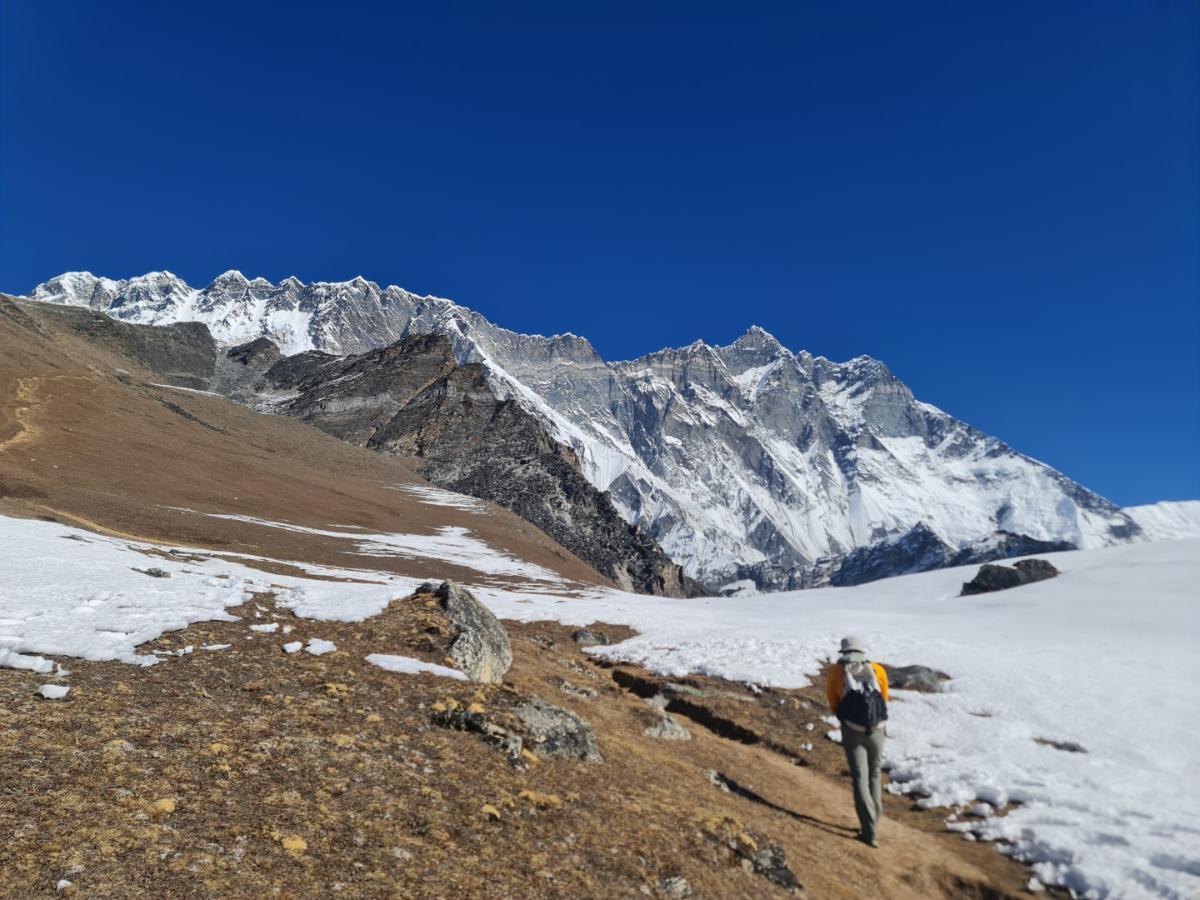
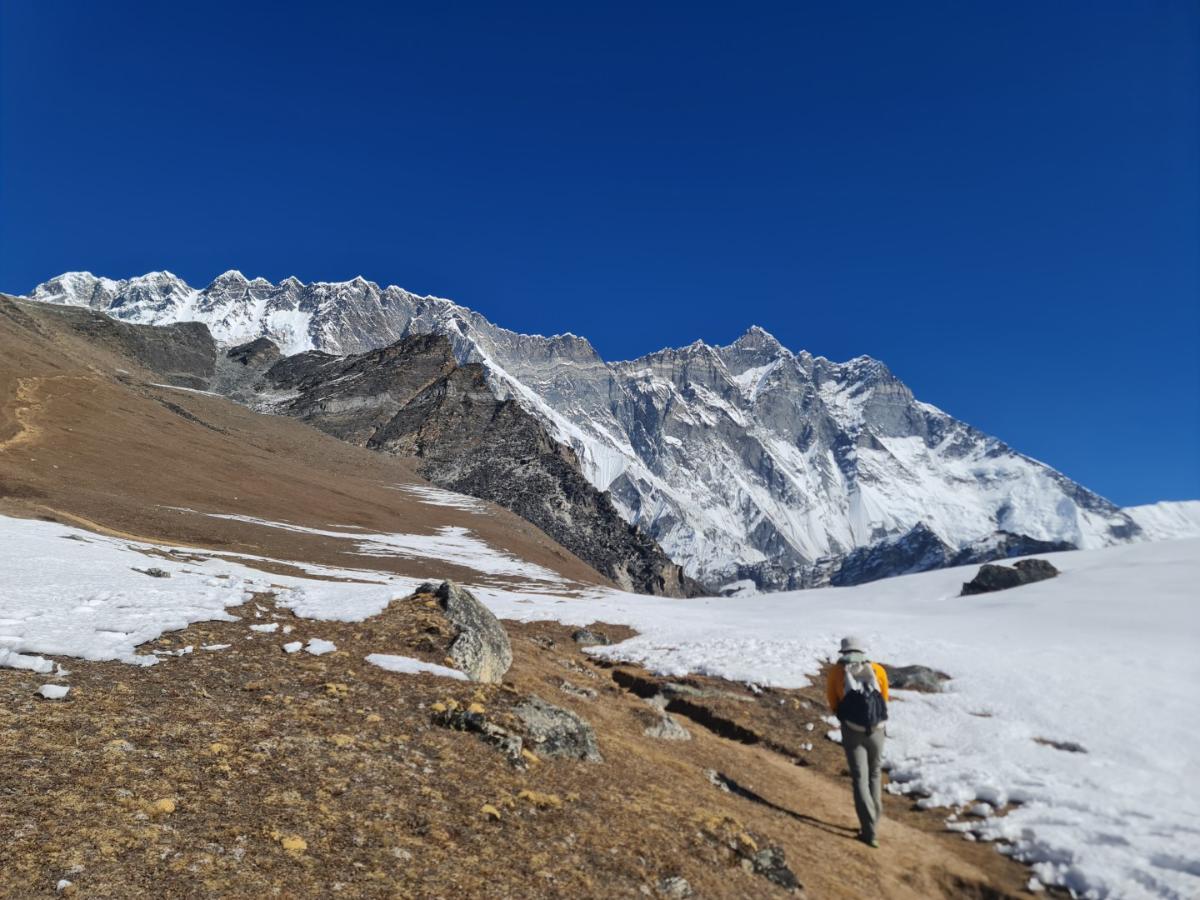
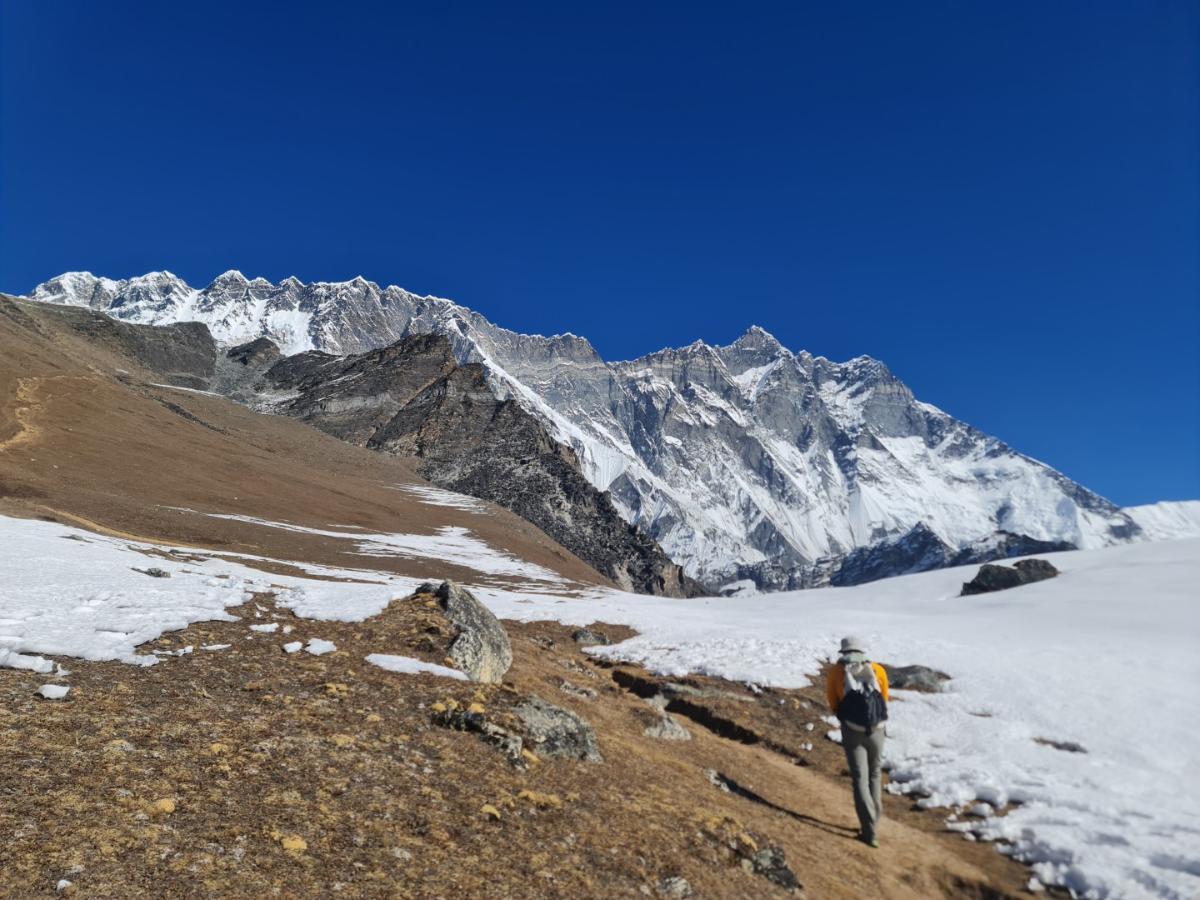
Strong visual content is equally important. High-quality photographs from actual treks help travelers imagine themselves on the journey. Authentic images often perform much better than generic stock photography because they provide a realistic representation of the experience.
A modern website should also load quickly, function smoothly on mobile devices, and make it easy for visitors to submit inquiries. Small improvements in user experience can significantly increase conversion rates over time.
Invest in Search Engine Optimization
Search engine optimization remains one of the most valuable marketing channels for trekking companies because it reaches travelers who are actively searching for information. Unlike social media, where users may casually browse content, search traffic often comes from people who already have a strong interest in trekking.
Many potential clients begin their research with searches such as Annapurna Base Camp Trek, best treks in Nepal, Annapurna Circuit itinerary or best time for Langtang Trek. Ranking for these searches can bring highly targeted visitors to your website throughout the year.
A successful SEO strategy focuses on creating useful content that answers common traveler questions. Detailed guides, trekking comparisons, packing lists, altitude sickness advice, and seasonal trekking information all help improve search visibility while building credibility with potential clients.
SEO requires patience, but it often delivers one of the highest long-term returns on investment for trekking businesses.
Create Helpful Content That Builds Trust
Many trekking companies focus exclusively on selling packages, but travelers often need information long before they are ready to book. This creates an opportunity to build trust through educational content.
A well-maintained blog can answer important questions and position your company as an expert source of information. Articles about trekking difficulty, weather conditions, preparation tips, gear recommendations, and route comparisons provide genuine value to readers while supporting your overall marketing goals.
Content marketing works because it aligns with how travelers make decisions. People naturally trust companies that help them understand a destination rather than simply trying to sell them a trip. Over time, useful content builds authority and encourages readers to consider your company when they are ready to book.
Use Social Media to Tell Stories
Social media is most effective when it focuses on storytelling rather than constant promotion. Travelers are inspired by real experiences, personal achievements, stunning landscapes, and authentic cultural encounters.
Instead of repeatedly posting package advertisements, share stories from recent departures, client achievements, guide experiences, and behind-the-scenes moments from the trekking trail. This type of content creates emotional engagement and helps potential clients connect with your brand.
Platforms such as Instagram and Facebook are particularly useful for visual storytelling, while YouTube allows trekking companies to provide more detailed insights into routes, accommodations, and daily trekking experiences. Consistent storytelling helps keep your company visible during the lengthy decision-making process that many travelers go through before booking.
Build Credibility Through Reviews and Testimonials
Trust is one of the most important factors in adventure travel marketing. Trekking often involves a significant financial investment, and travelers want reassurance that they are booking with a reliable company.
Client reviews and testimonials provide powerful social proof because they come from people who have already completed the trek. Positive feedback can answer concerns about safety, guide quality, organization, accommodation, and overall experience.
Encourage clients to leave reviews after their trek and make these testimonials highly visible on your website and social media channels. Video testimonials can be particularly effective because they feel authentic and allow potential clients to hear directly from previous trekkers.
When travelers see consistent positive experiences from real customers, they are much more likely to submit an inquiry.
Frequently Asked Questions
What is the best way to market trekking packages online?
A combination of SEO, content marketing, social media, email marketing, and customer reviews generally produces the strongest long-term results.
How important is SEO for trekking companies?
SEO is one of the most effective channels because travelers actively search for trekking information before making booking decisions.
Which social media platform works best for trekking businesses?
Instagram and YouTube are particularly effective for visual storytelling, while Facebook remains useful for community building and advertising.
Should trekking companies invest in paid advertising?
Yes, especially when targeting high-intent travelers. Paid advertising can generate inquiries quickly while long-term SEO efforts continue to grow.
How can trekking companies increase booking inquiries?
Improving website conversion rates, showcasing testimonials, publishing helpful content, and responding promptly to inquiries are among the most effective strategies.