Understanding Brain Tumor Surgery
Brain tumor surgery is a critical and often life-saving procedure that addresses both benign and malignant tumors within the brain. This delicate operation can significantly influence a patient's quality of life, prognosis, and overall health. With advancements in technology and surgical techniques, such as neuronavigation and awake cranial surgery, these procedures have become safer and more effective. However, understanding the nuances of brain tumor surgery, including the various types of tumors, the stages of the surgical process, and the associated risks, is vital for patients and their families. When exploring options, beyin tümörü ameliyatı provides comprehensive insights into what to expect. This article will delve into the critical aspects of brain tumor surgery, offering a detailed guide for those affected by this condition.
What is Beyin Tümörü Ameliyatı?
Beyin tümörü ameliyatı, beyin içinde bulunan tümörlerin çıkarılması veya tedavi edilmesi amacıyla yapılan bir cerrahi müdahaledir. Tümörler, büyüklükleri, türleri (iyi huylu veya kötü huylu) ve konumlarına bağlı olarak farklı şekilde ele alınır. Ameliyat, tümörün açıklığa kavuşturulması ve gerekli durumlarda çevre dokunun korunması amacıyla gerçekleştirilir. İşlem sırasında cerrahlar, beyin dokusuna zarar vermemek için son derece dikkatli olmalıdır.
Types of Brain Tumors and Surgical Approaches
Brain tumors are classified into several types, primarily based on their origin. The most common types include:
- Meningiomas: Originating from the meninges or protective membranes surrounding the brain, usually slow-growing and often benign.
- Gliomas: Including astrocytomas and glioblastomas (GBM), these tumors arise from glial cells and can be aggressive.
- Metastatic Tumors: Tumors that spread from other parts of the body to the brain, indicating advanced stage cancer.
The surgical approach to each type varies significantly. For meningiomas, a craniotomy may be performed to remove the tumor entirely, whereas gliomas often require a more intricate dissection to minimize damage to surrounding brain tissue.
Importance of Accurate Diagnosis
Accurate diagnosis is the cornerstone of effective treatment planning for brain tumors. Advanced imaging techniques such as MRI, CT scans, and PET scans are crucial in delineating the tumor's size, location, and type. This information aids surgeons in formulating the best surgical approach and anticipating potential challenges during the operation.
Stages of the Brain Tumor Surgery Process
Preoperative Assessments and Planning
Prior to surgery, patients undergo thorough assessments to evaluate their overall health and identify any risks that may affect the surgical outcome. This includes neurological examinations, imaging studies, and discussions about the patient's medical history. A detailed surgical plan is created, often involving a multidisciplinary team to ensure every aspect of the procedure is addressed.
During Surgery: Techniques and Technologies
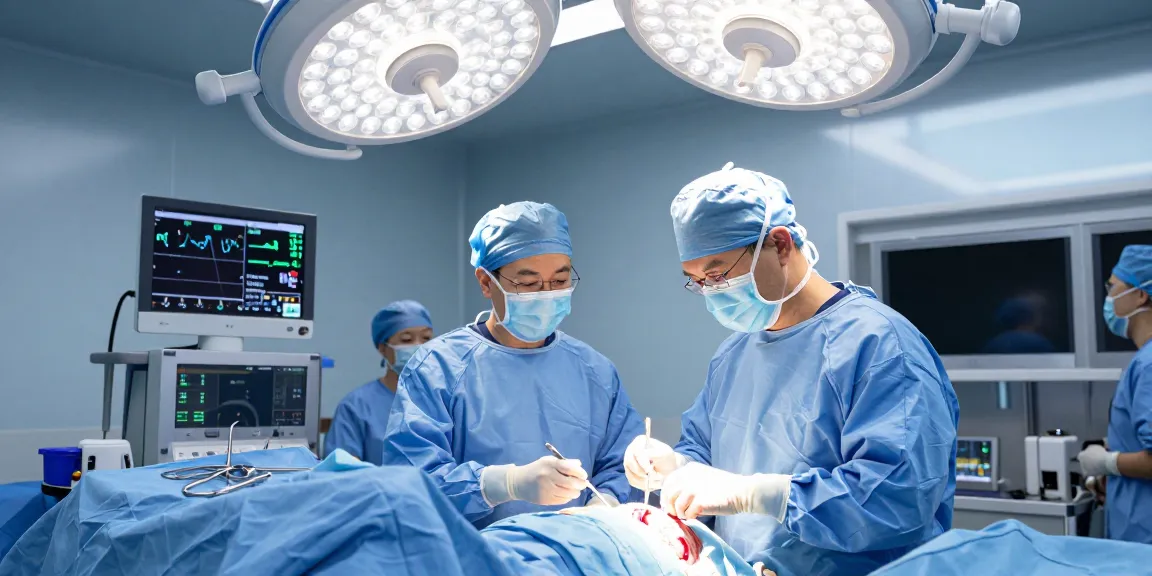
During the surgery, modern techniques significantly enhance precision. Tools like neuronavigation systems allow surgeons to visualize the tumor's location in real-time, while awake craniotomy procedures enable patients to respond to questions, ensuring critical areas of the brain are preserved. This approach minimizes the risk of post-operative neurological deficits, enhancing overall recovery.
Postoperative Care and Monitoring
Post-surgery, careful monitoring is essential. Patients are usually placed in an intensive care unit (ICU) for the first few days, where medical staff monitor vital signs and neurological status closely. Follow-up imaging, typically within 24-48 hours, assesses the success of the tumor removal and identifies any complications.
Risks and Challenges of Brain Tumor Surgery
Common Surgical Risks and Complications
Like any major surgery, brain tumor surgery carries risks. Common complications may include infection, bleeding, or unintended damage to surrounding brain tissue. Long-term neurological effects, such as changes in speech, memory, or motor functions, may also occur, underscoring the need for thorough pre-surgical planning and patient counseling.
Managing Patient Expectations
Your expectations should be managed accordingly. Open communication with your surgical team about potential outcomes and recovery pathways is crucial. Understanding that recovery may involve rehabilitation and additional treatments can help prepare patients and their families for the journey ahead.
Long-Term Effects of Surgery
Long-term effects of brain tumor surgery can vary widely depending on the type of tumor, its location, and the success of the procedure. Some patients may experience significant improvements in symptoms, while others may face challenges that require ongoing support, such as physical therapy or cognitive rehabilitation.
Post-Surgery Recovery and Support
Immediate Aftercare Procedures
After surgical intervention, patients are typically monitored closely for signs of complications. This phase may include management of pain, assessment for potential bleeding, and other critical care measures. Family members play a vital role in supporting the patient during this time, providing emotional and logistical support.
Rehabilitation Strategies and Resources
Rehabilitation is often a fundamental aspect of recovery from brain tumor surgery. Depending on the tumor's location, patients may need occupational therapy, speech therapy, or physical therapy to regain lost functions. Coordinating with rehabilitation specialists ensures that patients receive comprehensive care tailored to their individual needs.
Follow-Up Treatments: What to Expect
Follow-up treatments may include additional surgery, radiation therapy, or chemotherapy, depending on the tumor type and surgical outcomes. Regular follow-up appointments and imaging studies are vital for monitoring recovery and catching any potential recurrence early.
Future Trends in Brain Tumor Surgery
Innovative Techniques on the Horizon
Emerging technologies promise to reshape the future of brain tumor surgeries significantly. Innovations like robotics, advanced imaging, and minimally invasive techniques help reduce recovery times and improve surgical precision. These advancements enable surgeons to navigate the complex anatomy of the brain with increased confidence.
The Role of Artificial Intelligence in Surgery
Artificial intelligence (AI) and machine learning are increasingly being integrated into surgical procedures. AI can assist in preoperative planning, intraoperative navigation, and postoperative monitoring, enhancing overall outcomes and safety.
Expectations for Patient Outcomes by 2026
As surgical techniques advance, patient outcomes are expected to improve. By 2026, we anticipate more personalized treatment plans, reduced surgery times, and lower complication rates, ultimately leading to higher survival rates and improved quality of life for patients with brain tumors.
What are the signs of distress after surgery?
Patients and caregivers should be vigilant for signs of distress post-surgery, including severe headache, confusion, persistent nausea, or neurological deficits. Early identification of these symptoms can lead to prompt intervention and reduce the risk of severe complications.
How long is the recovery time for brain tumor surgery?
The recovery time after brain tumor surgery varies widely. Generally, patients may begin to feel better within a few weeks, but full recovery may take several months. Patients are encouraged to participate in their rehabilitation fully to enhance their recovery.
What are the types of brain tumors treated by surgery?
Common types of brain tumors treated through surgery include meningiomas, gliomas, and metastatic tumors. Each type presents unique challenges and requires tailored surgical approaches to maximize safety and effectiveness.
What should patients know before surgery?
Before undergoing brain tumor surgery, patients should understand the risks, expected outcomes, and potential for rehabilitation. Engaging in open dialogue with the surgical team can clarify concerns and improve preparedness for the procedure.
How does brain tumor surgery improve quality of life?
Effective brain tumor surgery can alleviate symptoms associated with the tumor, such as headaches, seizures, or neurological deficits. For more information, beyin tümörü ameliyatı offers valuable insights. Successful removal of the tumor can enhance a patient’s overall quality of life and functionality, often facilitating a return to normal activities.