
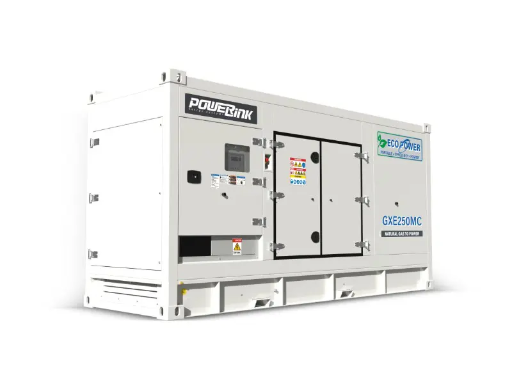
A reliable power supply is essential for businesses, industries, and critical facilities where electricity interruptions can affect productivity and operations. To ensure energy availability, many organizations use gas generators as a dependable power solution. However, choosing the right generator depends on understanding the difference between prime power and standby power systems.
Both types of generators serve different purposes. While standby generators are designed for emergency situations, prime power generators are built for continuous or extended operation. Working with an experienced gas generator manufactuer allows businesses to choose the most suitable energy solution for their specific requirements and operating conditions.
What Are Gas Generators?
Gas generators are power generation systems that convert gaseous fuels into electricity. These systems use an engine and generator combination to produce electrical power for various applications.
A natural gas generator uses natural gas as a fuel source and provides efficient electricity generation for commercial, industrial, and remote applications. These systems are valued for their reliability, flexibility, and ability to support different energy needs.
Understanding Prime Power Gas Generators
Prime power generators are designed to provide electricity for long-term or continuous operation. They are commonly used in locations where the main power grid is unavailable, unreliable, or not suitable for specific operations.
Prime power systems can operate for extended periods while handling changing electrical loads. They are often used as the primary source of electricity rather than just a backup option.
Key Features of Prime Power Generators
Prime power gas generators offer several important features, including:
- Continuous power capability
- Flexible load management
- High operational efficiency
- Reliable performance for extended periods
- Suitable for remote locations
These features make them ideal for industries that require uninterrupted electricity for daily operations.
Understanding Standby Power Gas Generators
Standby power generators are designed to provide electricity during unexpected power failures. They automatically activate when the main electricity supply is interrupted and keep essential systems running.
Unlike prime power systems, standby generators are not intended for continuous operation. They are mainly used as backup solutions to protect businesses from unexpected outages.
Common Applications of Standby Generators
Standby gas generators are commonly used in:
- Hospitals
- Data centers
- Office buildings
- Manufacturing facilities
- Commercial properties
- Emergency services
These systems help maintain critical operations until the main power supply is restored.
Prime Power vs Standby Power: Main Differences
The biggest difference between prime and standby power generators is their intended usage.
Operating Time
Prime power generators are designed for longer running periods and can provide electricity as the main energy source.
Standby generators are designed for temporary use during power interruptions.
Load Capacity
Prime power systems are built to handle changing electrical demands over extended periods.
Standby generators usually support essential loads only during emergencies.
Application Requirements
Prime power is suitable for remote areas, industrial operations, and facilities requiring continuous electricity.
Standby power is better suited for businesses that already have a reliable grid connection but need backup protection.
Benefits of Using Gas Generators
Reliable Energy Supply
Gas generators provide a dependable power source that helps businesses avoid downtime. Whether used for primary or backup power, these systems support stable operations.
A quality gas generator manufactuer develops advanced systems that deliver consistent performance and improved efficiency.
Improved Efficiency
Modern gas generators are designed to maximize fuel utilization. This helps reduce energy waste and allows businesses to manage operating expenses more effectively.
A natural gas generator can provide efficient power production while supporting cleaner energy practices.
Lower Maintenance Needs
Gas-powered systems often benefit from cleaner combustion compared to some traditional fuel alternatives. With proper servicing, they can provide long-term reliability and operational stability.
Choosing the Right Generator System
Selecting between prime power and standby power depends on several factors, including:
- Facility energy requirements
- Expected operating hours
- Power demand
- Fuel availability
- Budget considerations
- Future expansion plans
Businesses should carefully evaluate their needs before investing in a generator system.
Working with an experienced gas generator manufactuer ensures access to reliable equipment, technical expertise, and proper system design.
The Future of Gas Generator Technology
As energy demands continue to increase, gas generator technology is evolving to provide better efficiency, smarter controls, and improved sustainability.
Future generator systems will focus on reducing fuel consumption, improving performance monitoring, and supporting flexible energy strategies.
Conclusion
Understanding the difference between prime power and standby power gas generators helps businesses choose the right solution for reliable energy management. Prime power systems provide continuous electricity for demanding applications, while standby generators protect operations during unexpected outages.
With advanced solutions such as natural gas generator, organizations can improve energy reliability, reduce downtime, and build stronger power systems for the future.