Understanding Facial Age Estimation Technology
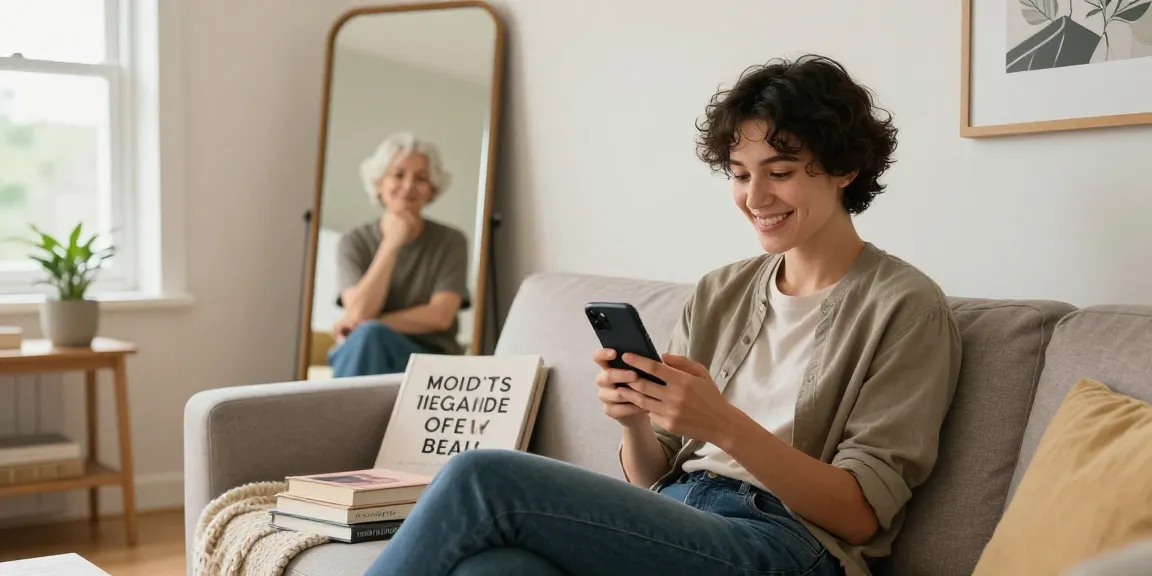
Facial age estimation technology has gained significant attention in recent years, becoming a popular tool for individuals curious about how old they look. With advancements in artificial intelligence (AI), these tools can provide estimates based on a variety of facial features. The accuracy and accessibility of these technologies have democratized age perception, allowing anyone with a smartphone or computer to explore their perceived age in mere seconds. When exploring options, how old do i look platforms offer comprehensive insights into this fascinating intersection of beauty and technology.
What is Facial Age Estimation?
Facial age estimation refers to the use of algorithms and AI to analyze facial features and predict an individual’s perceived age. This estimation is based on various parameters, including skin texture, wrinkles, facial contours, and the presence of age-related markers such as spots or sagging. The data collected can often indicate biological age more accurately than chronological age, presenting a unique look at how aging is perceived in society.
How AI Analyzes Facial Features?
AI-driven age estimation tools typically utilize machine learning models trained on vast datasets of facial images. These models learn to identify common characteristics associated with specific age brackets by analyzing patterns in skin condition, facial morphology, and other biological indicators. When a user uploads a photo, the AI compares the facial features against its training data to generate a predicted age. Sophisticated systems also consider context, such as the user’s gender and ethnicity, to improve accuracy.
Current Trends in Age Detection Technology
The field of facial age estimation is rapidly evolving. With the increasing integration of AI across various sectors, companies are stepping up their game, producing more accurate and user-friendly applications. Notably, trends indicate a shift towards personalized experiences, where users not only receive an age estimate but also actionable insights on skincare and wellness practices tailored to their perceived age. These advancements are making age estimation tools mainstream, appealing to a broader audience interested in maintaining a youthful appearance.
Importance of Self-Image and Age Perception
The impact of age perception on self-image can be profound. Individuals often equate their perceived age with their attractiveness and vitality, making facial age estimation a significant aspect of personal evaluation in a society that places high value on youthful appearances.
How Old Do I Look? The Psychological Impact
Research suggests that how old we believe we look can affect our self-esteem and mental health. When individuals perceive themselves as older than they feel, it can lead to a self-fulfilling prophecy, impacting their overall confidence and lifestyle choices. In contrast, looking younger than one’s actual age often correlates with higher self-esteem, which can positively influence social interactions and professional opportunities.
Cultural Perspectives on Aging and Beauty
Cultural perceptions of aging vary widely around the globe. In some cultures, aging is celebrated as a sign of wisdom and experience, while in others, youthful beauty is prioritized. These differing views play a significant role in how individuals evaluate their worth based on age, influencing their choices in cosmetics, fashion, and even lifestyle practices. Understanding these cultural perspectives can help individuals navigate their feelings about aging more effectively.
Trends in Youthful Appearance and Self-Perception
The desire for youthful appearance is not a new phenomenon, but it has gained momentum through social media platforms that often promote ideals of beauty tied to age. Many users curate their images to present a youthful facade, while also utilizing technology to assess how old they look, often leading to an ongoing cycle of comparison and self-assessment.
How Old Do I Look? The Data Behind Age Estimation
Age estimation technology relies on a plethora of data points, making it essential to understand the complexities behind these assessments. From demographic variations to prevailing stereotypes about aging, several factors influence how age is perceived.
Analyzing Age Factors in Different Demographics
The accuracy of age estimation can vary significantly across different demographics based on factors like ethnicity, skin type, and environmental influences. For instance, individuals with naturally oily skin might display different aging markers compared to those with dry skin, affecting the AI's predictions. Moreover, cultural background can introduce biases, as certain features may age more gracefully in some cultures compared to others.
Common Misconceptions About Aging
Several misconceptions about aging persist, often influenced by media portrayals and societal standards. For example, the idea that aging is synonymous with decline is prevalent, but research shows that many individuals report increased satisfaction and happiness as they age. Clarifying these misconceptions is vital in fostering a healthier dialogue about aging and its implications on personal and societal levels.
Real-World Validation: Case Studies and Examples
Several case studies illustrate the potential of facial age estimation technology in real-world applications. For instance, beauty brands may utilize this data to tailor skincare products for specific age groups, while healthcare providers might employ these tools in assessments related to health and wellness. These examples showcase the versatility and relevance of age estimation technology in modern life.
Best Practices for Enhancing Youthful Appearance
While technology can provide estimates on how old someone appears, many strategies can help enhance a youthful outlook. Healthy practices can significantly impact perceived age and self-image.
Skincare Routines That Make a Difference
- Daily Cleansing: Keeping skin clean is essential to remove impurities that can age the skin.
- Moisturization: Hydrated skin appears plumper and more youthful. Use a moisturizer suitable for your skin type.
- Sun Protection: The harmful effects of UV rays can accelerate skin aging, making sunscreen a critical component of any skincare routine.
- Special Treatments: Incorporate serums with antioxidants or retinoids to combat signs of aging effectively.
Diet and Lifestyle Choices for Youthfulness
What we consume plays a significant role in how we look and feel. Nutrient-rich diets that include antioxidants, vitamins, and healthy fats can help maintain skin elasticity and overall vitality. Regular exercise promotes healthy circulation and contributes to a younger appearance by enhancing skin health and reducing stress.
Cosmetic Options: What Works and What Doesn’t?
Cosmetic interventions range from non-invasive procedures like fillers and Botox to surgical options. While they can effectively reduce signs of aging, it’s essential to approach these options with cautious expectations and to consult professionals for personalized advice. Understanding what works for your unique skin type and lifestyle is crucial for achieving satisfying results.
Future Trends: The Evolution of Age Perception Tools
The future of age estimation technology is bright, with innovations continually emerging that promise to improve accuracy and accessibility. As AI becomes more sophisticated, the potential uses of these technologies will expand, creating more opportunities for personal and commercial applications.
New Innovations in AI-Powered Age Guessing
Future innovations in AI age estimation might include real-time analysis through video and enhanced personalization features that tailor feedback based on individual skin types, lifestyle, and even predispositions to certain age-related conditions. These advancements will create an even more engaging and informative user experience.
The Role of Social Media in Self-Image
Social media platforms will continue to play a crucial role in shaping self-image and age perception. As users increasingly compare their appearance with curated images of others, age estimation tools will likely become standard features on these platforms, further impacting how individuals view themselves and others.
Predictions for Age Estimation Technologies in 2026
Looking ahead to 2026, we might see age estimation technologies integrated into everyday applications, from virtual reality experiences that allow users to “try on” different ages to augmented reality filters that provide real-time visualizations of aging. These advancements will enhance user engagement and foster a deeper understanding of aging.
What factors influence how old do I look?
Several factors impact how old a person appears, including genetics, skin care, lifestyle choices, and environmental influences. These elements combine to create a unique aging profile, reinforcing the subjective nature of age perception.
Can self-perception affect my actual age?
Interestingly, self-perception can influence various psychological and behavioral factors associated with aging. Individuals who maintain a positive self-image often experience better health outcomes and may even feel younger than their chronological age suggests.
How accurate are AI tools in estimating age?
AI tools have come a long way in terms of accuracy, but several variables can affect their reliability. While they provide a good estimation, it’s essential to remember that these tools should serve as a fun way to explore age perception rather than definitive assessments.
What can I do to feel more confident about my age?
To enhance confidence about aging, focus on embracing personal growth and the positive aspects of maturity. Engaging in activities that promote mental and physical health can help maintain a youthful mindset and self-image.
How are age perception trends changing in society?
As societal views on aging evolve, there seems to be a growing acceptance of the aging process. Trends indicate a shift towards celebrating age as a sign of wisdom rather than a decline in vitality, allowing individuals to express their age without stigma.