
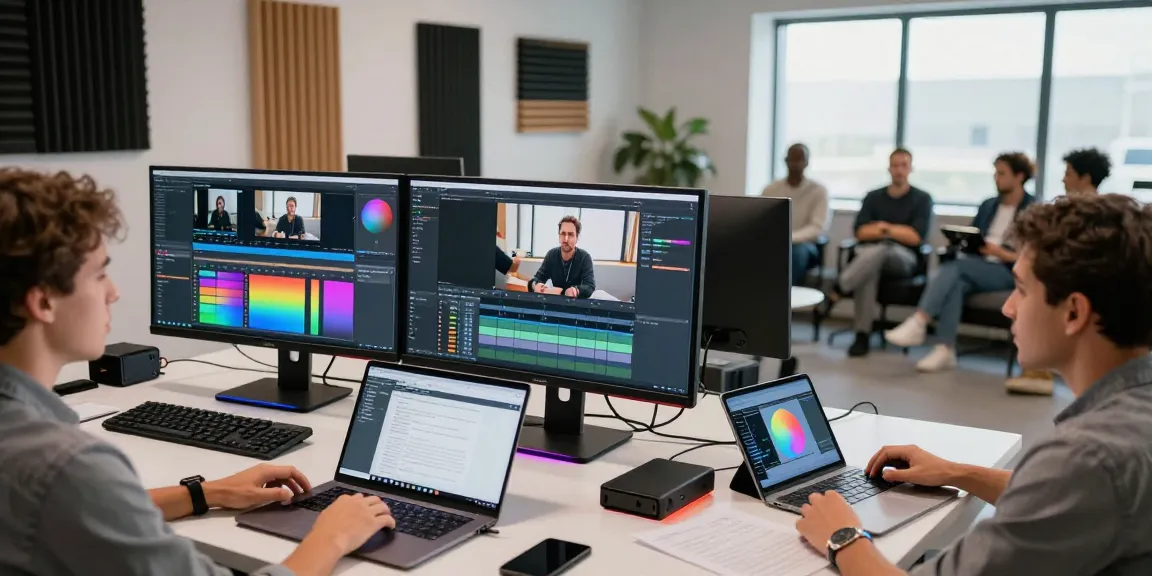
Understanding Video to Prompt Technology
In the burgeoning field of artificial intelligence and video content creation, the video to prompt technology has emerged as a transformative tool for content creators, educators, and marketers alike. This innovative solution allows users to convert video footage into detailed, structured text prompts, which can then be utilized in various AI video generation models. As the demand for more efficient content creation processes grows, understanding the functionality and benefits of this technology is crucial for anyone looking to leverage AI in their video production workflows.
What is Video to Prompt?
Video to prompt refers to the process of using advanced AI algorithms to analyze video content and convert it into structured text descriptions. These descriptions capture essential elements such as scenes, actions, camera movements, and emotional tones, providing creators with a foundation to generate new video content or enhance existing material. By employing natural language processing and machine learning techniques, video to prompt tools offer a streamlined approach to content generation that simplifies the complexity of manual video analysis.
The Evolution of Video Analysis Tools
Over the years, video analysis tools have evolved significantly from basic frame analysis to comprehensive AI-driven systems capable of understanding context, emotion, and intricate details within video footage. Early systems relied on manual annotations and simplistic algorithms, which often led to inconsistent results. However, with the introduction of machine learning and neural networks, the accuracy and efficiency of video analysis have skyrocketed. Modern video to prompt tools can now analyze hours of footage in mere minutes without sacrificing quality.
Key Benefits of Using Video to Prompt Solutions
- Time Efficiency: Reduces the time spent on video content analysis significantly, allowing creators to focus on more creative aspects of production.
- Enhanced Accuracy: Delivers precise, detailed prompts that capture nuances and subtleties often missed in human analysis.
- Scalability: Ideal for large-scale video projects where consistent prompt generation is essential.
- Cross-Platform Compatibility: Works seamlessly with multiple AI video generation tools, enhancing versatility in video creation.
- Multilingual Support: Facilitates global collaboration by generating prompts in various languages, making it a go-to solution for international content creators.
How to Use Video to Prompt Effectively
Step-by-Step Guide to Uploading Videos
Using a video to prompt tool is straightforward, designed to ensure ease of use even for those with minimal technical expertise. Here’s a simple step-by-step guide:
- Upload Your Video: Choose a video file from your device. Ensure it complies with the supported formats such as MP4, MOV, or AVI, with a size limit of 200MB.
- Select Your AI Model: Depending on your specific needs, you may select a model optimized for cinematic analysis or narrative-driven prompts.
- Analyze Content: Initiate the content analysis, during which the AI will process your video and generate prompts based on its findings.
- Review and Refine: Once the prompts are generated, review them for accuracy and make adjustments as needed to better align with your creative vision.
Selecting the Right AI Model for Your Needs
Choosing the appropriate AI model is critical for achieving the desired outcome from your video to prompt conversion. Different models cater to various aspects of video analysis. For instance, if your project requires a cinematic approach, selecting a model like the Gemini Video Prompt ensures a high-quality breakdown of visual elements, while other models may focus on narrative context or educational clarity. Assess your project’s goals and select accordingly to maximize the effectiveness of the prompts generated.
Interpreting Generated AI Prompts for Content Creation
Once your video is analyzed and prompts are generated, understanding how to interpret these prompts is crucial for effective content creation. The generated text provides detailed insights into scene composition, emotional tone, and actions that can be leveraged to create new videos or enhance existing ones. Pay special attention to keywords and visual descriptions, as they can inform choices in editing, scripting, and overall production design.
Common Challenges in Video to Prompt Conversion
Addressing Format Compatibility Issues
One of the primary challenges when using video to prompt technology is ensuring compatibility across various video formats. While many tools support common formats like MP4 and MOV, some codecs and resolutions may cause issues during the analysis. To mitigate this, it’s advisable to convert videos to a standardized format before uploading. Utilizing a video converter tool can save time and ensure smooth processing.
Managing Data Privacy and Security Concerns
Data privacy is a critical consideration for users of video to prompt technology, particularly when handling sensitive or proprietary content. Reputable platforms prioritize user privacy by implementing robust security measures. This includes temporary handling of uploaded videos and automatic deletion post-analysis. Always verify a service’s privacy policies to ensure your content remains secure throughout the process.
Understanding Prompt Accuracy and Limitations
While the accuracy of AI-generated prompts has greatly improved, it’s important to recognize the limitations of the technology. Prompts may occasionally lack context or miss specific details based on the algorithms used. Users should be prepared to review and refine prompts as necessary, ensuring they meet their creative needs. Continuing advancements in AI will help bridge these gaps, but vigilance is still required.
Best Practices for Maximizing Video to Prompt Output
Optimizing Video Content for AI Analysis
To achieve the best results from video to prompt tools, optimizing your video content before submission is essential. This includes ensuring high resolution, clear audio, and well-defined scenes that can be easily analyzed. Additionally, providing context within videos—such as using captions or clear thematic elements—can aid the AI in generating more accurate prompts that align with your intent.
Collaborating with Teams for Enhanced Results
Working in collaborative environments can amplify the effectiveness of video to prompt tools. When multiple team members contribute their insights and expertise, the generated prompts can be refined to encapsulate a wider range of perspectives. This collaboration can be particularly beneficial in educational settings or creative teams, where diverse viewpoints enhance overall content quality.
Iterative Refinement of Generated Prompts
Prompt refinement is an integral part of the creation process when using video to prompt technology. After initial prompts are generated, iteratively refining them based on feedback from team members or target audiences can yield significantly improved results. Create multiple versions of prompts to explore different interpretations and choose the one that best fits your creative vision.
The Future of Video to Prompt Technology
Emerging Trends for 2026 and Beyond
As technological advancements continue to reshape the landscape of content creation, several emerging trends are poised to impact video to prompt technology significantly. Expect developments in AI that improve the granularity and contextual understanding of video content, allowing for even more accurate and nuanced prompt generation. Additionally, the integration of augmented reality (AR) and virtual reality (VR) with video to prompt tools could broaden the scope of video production possibilities.
Predicting the Impact of AI Advancements on Video Creation
The rapid evolution of AI technologies is set to enhance video creation capabilities further. Future tools may offer real-time prompt generation during video recording, allowing creators to receive instant feedback on their scenes. This shift would enable immediate adjustments in filming, potentially leading to higher quality content and reduced post-production labor.
Preparing for Changes in User Expectations
As technology advances, user expectations will inevitably shift toward greater ease of use and more sophisticated capabilities. Creators will expect seamless integration between video recording, analysis, and editing processes. Meeting these expectations will require ongoing innovation and responsiveness from video to prompt service providers, ensuring they stay ahead in a competitive landscape.
What is the processing time for video to prompt?
Processing times can vary based on the length and complexity of the video. However, most standard videos can be processed in just a few minutes. Longer videos may take additional time, but users can typically track progress during the analysis.
Can Video to Prompt handle multiple languages?
Yes, many video to prompt solutions support multilingual analysis, allowing users to generate prompts in various languages. This capability enhances accessibility for international creators, educators, and businesses.
Is my video content secure when using this service?
Most reputable video to prompt platforms prioritize user privacy and data security. Uploaded videos are processed in a secure environment and are deleted after analysis, ensuring that sensitive content remains confidential.
How do I refine the generated prompts?
Refining generated prompts can be done collaboratively among team members or through individual review. Focus on key areas where the prompts may lack detail or context and iteratively adjust them based on feedback and goals for the final video content.
What differentiates Video to Prompt from competitors?
Video to Prompt stands out from its competitors by offering rapid processing times, multilingual support, and a user-friendly interface. The depth of analysis and detail in the generated prompts provides a significant advantage, enabling users to create high-quality content with greater efficiency and accuracy.