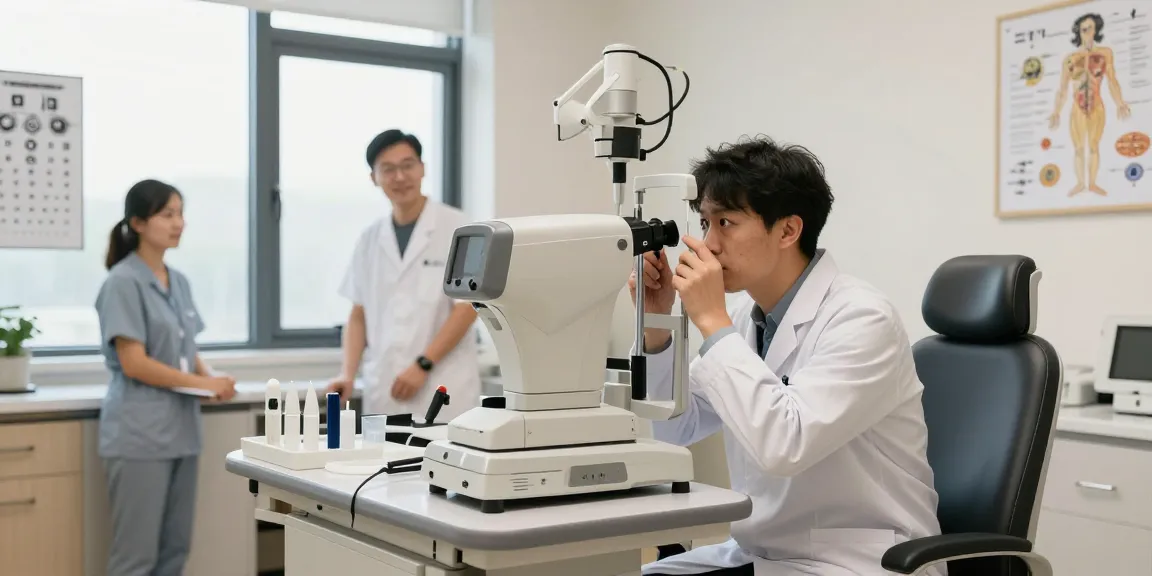

Understanding Hair Transplant Turkey: An Overview
Hair loss is a common concern affecting millions of individuals globally, leading many to explore various treatment options. Among the most effective and increasingly popular solutions is hair transplantation, particularly in Turkey. This country has emerged as a premier destination for those seeking quality hair restoration at competitive prices. With advanced medical technology, a wealth of experienced surgeons, and a well-structured medical tourism system, Turkey has become synonymous with successful hair transplants. If you’re considering a procedure, a deeper understanding of what hair transplantation entails is crucial.
What is a Hair Transplant?
A hair transplant is a surgical procedure that involves transferring hair follicles from a donor area, typically located at the back or sides of the scalp, to regions suffering from thinning hair or baldness. The goal is to restore hair in a way that looks natural and lasts a lifetime. This procedure is popular not only for addressing male-pattern baldness but also for women experiencing hair loss or thinning.
Why Choose Hair Transplant Turkey?
Turkey represents an enticing option for those considering hair transplants for various reasons. The country combines advanced medical technology with experienced practitioners, making hair restoration more accessible. Tourists visiting Turkey for this purpose often benefit from comprehensive packages that may include airport transfers, accommodation, and follow-up consultations. When exploring options, hair transplant turkey provides comprehensive insights into costs, techniques, and patient care that are unparalleled globally.
Popular Hair Transplant Techniques in Turkey
In Turkey, two primary techniques dominate the hair transplant scene: Follicular Unit Extraction (FUE) and Direct Hair Implantation (DHI). While FUE involves extracting individual hair follicles and transplanting them into the recipient area, DHI offers a more refined approach, utilizing an implanter tool that allows for the immediate placement of grafts with greater precision. Both methods prioritize patient comfort and natural-looking results while differing in techniques and recovery times.
Choosing the Right Hair Transplant Package in Turkey
Comprehensive Hair Transplant Packages Explained
Cloning success rates and patient satisfaction in Turkey have paved the way for attractive hair transplant packages. These packages generally cover the procedure itself, pre-operative consultations, post-operative care, and essential accommodations. Patients can choose from various options tailored to their individual needs, ensuring a comfortable experience throughout their journey.
Cost Comparison: Turkey vs. Other Countries
One of the significant advantages of getting a hair transplant in Turkey is its affordability. The average cost for a hair transplant ranges between $1,500 to $4,500, much lower than prices in the United States, where the same procedure can exceed $10,000. This cost disparity, along with high-quality outcomes, has made Turkey a go-to location for hair restoration.
What’s Included in Your Hair Transplant Package?
Most hair transplant packages in Turkey include the procedure, accommodation, local transportation, and follow-up treatments or consultations. Some clinics may also provide additional services such as airport transfers, personalized hair care kits, and guided tours for patients wishing to explore the beautiful location during their stay.
Who Is a Good Candidate for Hair Transplant in Turkey?
Identifying Ideal Candidates
Generally, individuals over the age of 25 with stable hair loss patterns are considered the best candidates for hair transplantation. Ideal candidates possess sufficient donor hair density as well as realistic expectations, understanding that the goal is to enhance existing hair rather than recreate a full head of hair.
Age Considerations in Hair Transplant Procedures
Although the ideal minimum age is generally set at 25, the suitability for hair transplants can vary based on individual health, hair characteristics, and family history of hair loss. Young patients must weigh the risks of undergoing surgery early due to the possibility of continued hair loss over time.
Evaluating Hair Loss Patterns and Donor Hair Quality
Understanding hair loss patterns is vital. Patients may benefit from a consultation where the surgeon assesses the donor hair’s thickness, quality, and density. Furthermore, the availability of hair that is resistant to thinning is critical, as this ensures longevity and sustainability of the results.
Understanding the Hair Transplant Journey in Turkey
Typical Steps of the Hair Transplant Process
The hair transplant journey begins with a consultation to discuss treatment options tailored to the patient’s specific requirements. Following this, a detailed plan outlining the day of the procedure is established. The procedure itself typically spans one day, involving two main stages: follicle extraction and graft placement, both performed under local anesthesia using sedation to ensure comfort.
Post-Operative Care: What to Expect
After the procedure, patients receive detailed post-operative care instructions, including guidelines on washing hair, avoiding certain activities, and managing any discomfort. Follow-up appointments ensure that the grafts heal properly and can be essential for long-term success.
10-Year Outlook After Being Transplanted
Transplanted hair follicles are genetically resistant to the effects of dihydrotestosterone (DHT), a hormone responsible for hair loss. As a result, these follicles should continue to grow for years, often lasting a lifetime. However, surrounding non-transplanted hair may still fall out, leading some individuals to consider additional treatment down the line.
Safety and Success Rates of Hair Transplant Turkey
Success Rate of Leading Turkish Clinics
Turkey boasts impressive success rates, with many clinics reporting outcomes between 90-95%. Elements contributing to these high figures include experienced surgeons, advanced techniques, and personalized aftercare, all designed to maximize graft survival and patient satisfaction.
Potential Side Effects Post-Surgery
As with any surgical procedure, potential side effects can occur following a hair transplant. These may include swelling, bruising, or temporary shedding of newly transplanted hair. However, these side effects are usually mild and resolve with proper care and adherence to medical advice.
Is Hair Transplant in Turkey Safe? Key Considerations
Hair transplants in Turkey have become highly regarded due to strict regulatory standards for licensed clinics and qualified medical professionals. While it is generally safe, it is critical for patients to thoroughly research clinics and surgeons to ensure they meet international standards and have credible patient reviews.
FAQs
What Happens 10 Years After a Hair Transplant?
Most patients find that their transplanted hair has grown and remains healthy ten years post-procedure due to its DHT resistance. However, individuals should be proactive about the health of their surrounding non-transplanted hair as future thinning might occur.
How Long Does a Hair Transplant Last?
With appropriate care and adherence to post-operative instructions, the hair transplanted usually continues to grow for the long term. While the grafts should remain healthy, ongoing hair loss in non-transplanted areas may require further intervention in the future.
Is Turkey the Best Destination for Hair Transplant?
Turkey stands out as a top choice for hair transplants due to its combination of advanced medical practices, lower costs, and a wide variety of experienced practitioners. For more information, https://www.smilehairclinic.com/en/ offers valuable insights. However, individuals should always consider personal needs and do thorough research before making a decision.