Understanding Induction Heating Technology
Induction heating technology offers a revolutionary approach to heating metals and other conductive materials. This high-efficiency heating method uses electromagnetic induction to quickly and uniformly heat metal objects, which is essential in various industrial applications. The functionality of an induction heater allows for precision control over temperature and heating times, making it a preferred choice for many industries.
What is an Induction Heater?
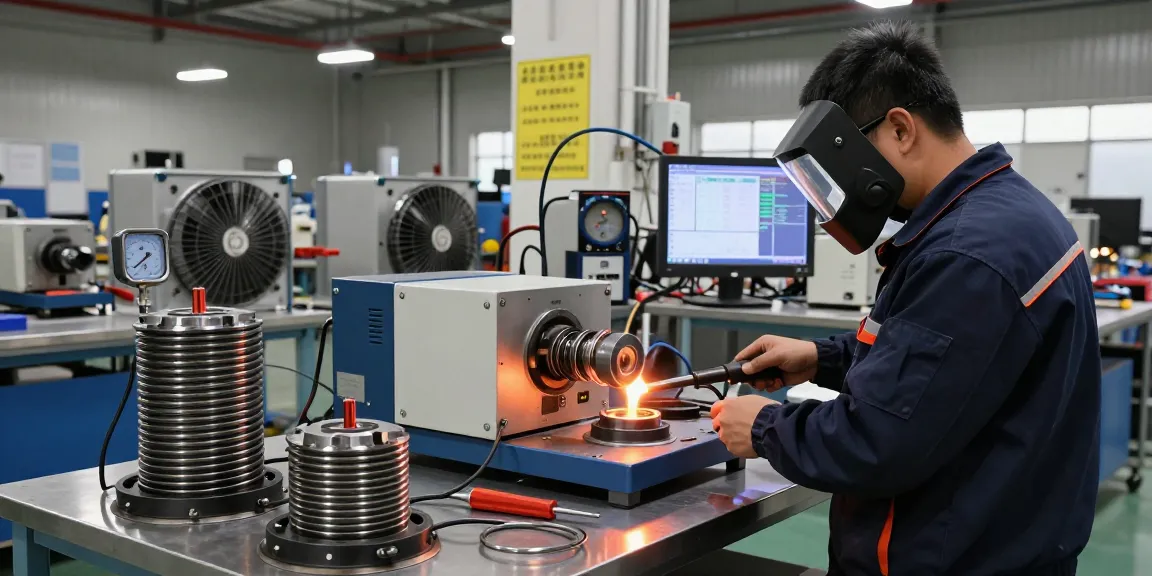
An induction heater is a sophisticated device designed to heat materials through electromagnetic induction. Unlike traditional heating methods that rely on flames or conductive heat transfer, induction heating generates heat directly within the material itself, resulting in rapid and efficient heating. The process occurs when an alternating current passes through a coil, creating an electromagnetic field that induces eddy currents in the conductive material, leading to heat generation.
How Induction Heating Works
The operation of induction heating is based on Faraday’s law of electromagnetic induction. When an alternating current flows through an induction coil, it generates a magnetic field. When a conductive material is placed in this field, electrical currents, known as eddy currents, are induced in the material, causing it to heat up.
This method is particularly advantageous as it allows for targeted heating, meaning specific areas of a material can be heated without affecting the surrounding areas, which can be crucial in processes like brazing, welding, and melting.
Applications of Induction Heating
Induction heating is widely used across multiple industries due to its efficacy and precision. Key applications include:
- Metal Processing: Induction heating is commonly used for processes such as forging, annealing, and hardening of metals.
- Brazing and Welding: It provides a clean and controlled environment for metal joining without the risks associated with open flames.
- Melting: Induction furnaces allow for the melting of various metals, including precious metals like gold and high-temperature alloys.
- Heat Treatment: Induction heaters are used for heat treatment processes that require specific temperature profiles.
Why Choose KEXIN Induction Heaters?
In the competitive landscape of induction heating solutions, KEXIN stands out for its commitment to quality, efficiency, and innovation. With over 20 years of experience in manufacturing induction heating equipment, KEXIN has developed a reputation for providing state-of-the-art machinery for various industries.
Unmatched Precision and Control
KEXIN induction heaters utilize advanced digital PID control technology, enabling temperature accuracy within ±1°C. This level of precision is critical for applications that require exact heating specifications, such as in the case of micro-scale brazing or large-scale forging operations. Whether the task at hand is delicate or demanding, KEXIN systems dynamically adjust to maintain even heat distribution.
Industry-Leading Efficiency
Efficiency is a hallmark of KEXIN induction heaters. With energy conversion efficiencies exceeding 95%, these systems reduce power consumption significantly compared to traditional heating methods. This efficiency not only cuts costs but also minimizes heat waste, contributing to a lower environmental impact and reduced carbon footprint for operations. Fast start-up times further enhance productivity by shortening cycle durations.
Robust Safety Features
Safety is paramount in any operational environment. KEXIN induction heaters are designed with multiple layers of safety, including over-temperature and over-current protection. The non-contact nature of induction heating eliminates open flames, reducing fire hazards and ensuring a cleaner working environment.
Customizable Solutions for Unique Applications
Understanding that each application is unique, KEXIN offers a range of customizable solutions tailored to specific industry needs. Their team works closely with clients to design induction heating systems that fit their manufacturing requirements perfectly.
Designing Your Induction Heating System
The design process at KEXIN involves evaluating the client’s specific heating needs, material types, and application requirements. By leveraging their extensive experience, KEXIN can create bespoke coils and tailor equipment configurations to optimize efficiency and performance.
Scalability and Versatility of Induction Heaters
Whether it’s a small laboratory setup or a large-scale production line, KEXIN induction heaters can scale seamlessly to meet varying production demands. Their modular power racks and coil designs ensure that customers can adapt their systems as their needs evolve, providing long-term value and flexibility.
Client Case Studies and Success Stories
Many clients across diverse sectors, such as automotive, aerospace, and manufacturing, have benefited from KEXIN’s customized induction heating solutions. For example, a major automotive manufacturer implemented KEXIN induction systems for their component assembly lines, resulting in a 30% reduction in cycle time and a significant decrease in energy consumption.
Best Practices for Using Induction Heaters in Industry
To maximize the benefits of induction heating, understanding best practices is crucial. Adhering to operational guidelines not only enhances productivity but also extends equipment longevity.
Maximizing Energy Efficiency
One of the advantages of induction heating is its inherent energy efficiency. Users can further optimize this by ensuring proper load matching, regularly maintaining equipment, and employing energy management practices that reduce unnecessary power usage.
Ensuring Safety in Operation
To ensure a safe working environment, it is essential to adhere to safety protocols while using induction heating equipment. Regularly inspect safety features, such as interlocks and fault detection systems, to ensure they are operational. Training personnel on safe handling procedures is also paramount.
Maintenance Tips for Longevity
Routine maintenance is key to prolonging the life of induction heating systems. This includes regular cleaning, checking connections, and ensuring that cooling systems are functioning properly. Creating a comprehensive maintenance schedule can prevent unexpected downtimes and enhance overall efficiency.
Future Trends in Induction Heating
The induction heating industry is poised for significant advancements in the coming years. Emerging technologies and innovations will continue to enhance the capabilities and efficiencies of induction heating systems.
Emerging Technologies and Innovations
As technology advances, we see the incorporation of artificial intelligence and machine learning in the operation of induction heaters. These technologies can optimize performance by analyzing real-time data and adjusting parameters for improved energy efficiency and quality control.
Predicted Developments Through 2026
By 2026, induction heating technology is expected to see increased integration into smart manufacturing environments. As industries pursue Industry 4.0, the demand for energy-efficient, automated heating solutions will grow, compelling manufacturers to innovate continually.
How to Stay Ahead in the Industry
To maintain a competitive edge in the induction heating market, businesses should invest in up-to-date equipment, continuous training for employees, and ongoing research into emerging technologies. For more information, induction welder offers valuable insights. Partnerships with reliable manufacturers, such as KEXIN, can also provide access to the latest advancements and solutions.