Understanding CNC Glass Cutting Machines
CNC (Computer Numerical Control) glass cutting machines are revolutionizing the glass processing industry, providing accuracy and efficiency that traditional methods simply cannot match. These advanced machines leverage sophisticated software to precisely cut glass into complex shapes while minimizing waste and maximizing production speed. In the modern glass industry, understanding the nuances of CNC glass cutting technology is essential for manufacturers looking to improve their operational efficiency and product quality. For those exploring options, cnc glass cutting machine solutions can provide comprehensive insights into the latest innovations and capabilities.
What is a CNC Glass Cutting Machine?
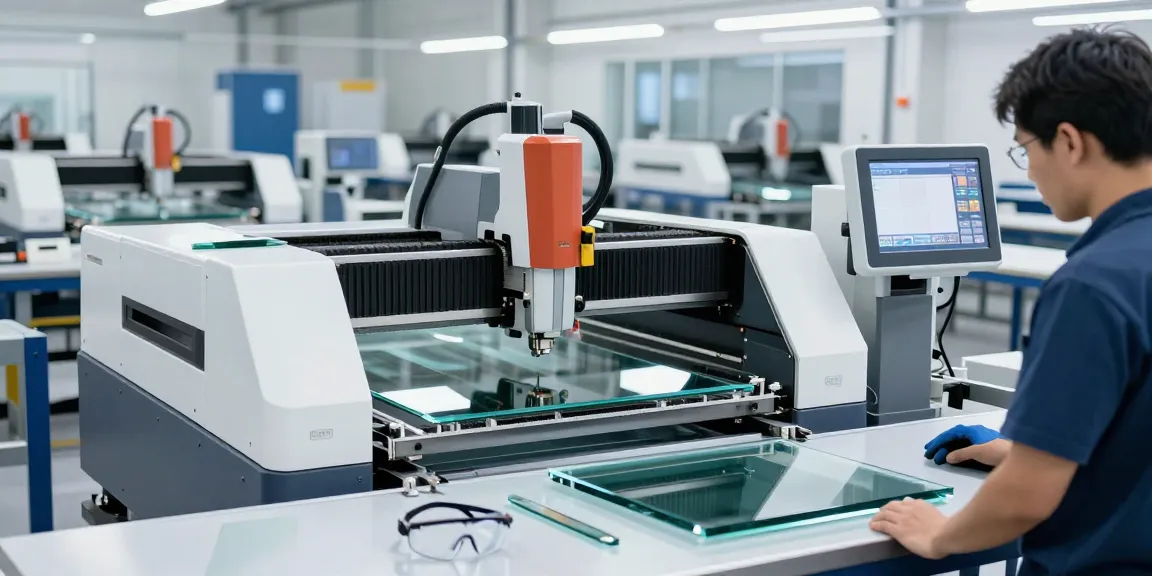
A CNC glass cutting machine is a state-of-the-art apparatus designed to cut glass sheets with high precision using automated computer controls. Unlike traditional glass cutting techniques that rely on manual operations, CNC machines utilize computer algorithms to direct the cutting tool, ensuring consistent quality and intricate designs. This technology allows for a variety of glass types to be processed, from simple float glass to complex laminated structures.
Key Features and Benefits of CNC Technology
- Precision Cutting: CNC machines can achieve tolerances up to ±0.1mm, significantly reducing the likelihood of human error.
- Design Flexibility: AutoCAD and similar software can easily integrate with CNC machines to create customized glass designs.
- Increased Efficiency: Automated operations lead to faster production times and reduced labor costs.
- Reduced Waste: The software optimizes cutting paths to maximize material usage, minimizing waste.
- Safe Operations: Advanced safety features protect operators and reduce risks associated with manual cutting.
Applications in the Glass Processing Industry
CNC glass cutting machines find applications across various sectors, including construction, automotive, and decorative arts. In construction, these machines are used to create custom windows and facades. In the automotive industry, they are utilized for cutting windshield glass, ensuring accuracy and quality. Additionally, in the decorative arts, CNC machines enable the creation of intricate patterns and designs on glass surfaces, enhancing aesthetic appeal.
The Process of CNC Glass Cutting
Step-by-Step Operation Guide
The operation of a CNC glass cutting machine involves several key steps:
- Design Creation: The first step is designing the glass item using CAD software. This design is then converted into a format that the CNC machine can understand.
- Program Input: The design file is uploaded to the CNC machine’s controller, defining the cutting path and parameters.
- Material Setup: The glass is securely placed on the cutting table, and the machine is calibrated for precise cutting.
- Cutting Process: The CNC machine executes the programmed cutting path, with the cutting tool moving accurately across the glass surface.
- Finishing: After cutting, additional processes such as polishing or edge bevelling may be carried out to enhance the product quality.
Materials Suitable for CNC Cutting
CNC glass cutting machines can effectively work with a variety of materials, including:
- Float Glass
- Laminated Glass
- Tempered Glass
- Low-E Glass
- Mirrored Glass
Common Challenges and Solutions
While CNC glass cutting enhancements have streamlined the glass manufacturing process, several challenges persist:
- Glass Fragility: Glass is prone to breakage; therefore, proper handling and setup are crucial. Utilizing vacuum suction cups during material handling can mitigate this risk.
- Software Compatibility: Different software platforms may not communicate well with CNC machines. Ensuring compatibility ahead of time can prevent operational delays.
- Maintenance Needs: Regular maintenance is essential to keep machines running smoothly. Implementing a routine maintenance schedule can reduce downtime.
Choosing the Right CNC Glass Cutting Machine
Factors to Consider When Selecting a Machine
When selecting a CNC glass cutting machine, consider the following factors:
- Cutting Area Size: Ensure the machine accommodates the maximum size of glass sheets you intend to work with.
- Type of Glass: Different machines may be optimized for specific types of glass, so select a model that fits your predominant material.
- Software Integration: Check that the machine supports the design software you use for your projects.
- Budget: Assess the cost in relation to the machine’s features and expected return on investment.
Comparison of Leading CNC Models
Many manufacturers offer a range of CNC glass cutting machines, each with its strengths:
- Zhengke: Known for its versatility and advanced automation features, Zhengke machines are popular for high-volume production.
- GLASSLINE: Renowned for precision and reliability, preferred by customers needing intricate cuts.
- CMS Glass Machinery: Excellent for customizable solutions and operational durability.
Cost-Effectiveness and Return on Investment
Investing in a CNC glass cutting machine can yield significant long-term savings through:
- Reduced material waste and labor costs
- Increased throughput and efficiency
- Lower error rates leading to improved product quality
Innovations in CNC Glass Cutting Technology for 2026
Emerging Features and Automation Trends
The future of CNC glass cutting technology is bright, with innovations such as:
- AI Integration: Artificial intelligence is being integrated for predictive maintenance and operational efficiency.
- Automation: More operations are being automated, reducing manual intervention and accelerating work cycles.
Impact of AI and Machine Learning
AI and machine learning are transforming CNC glass cutting by enhancing machine learning algorithms. These technologies help CNC machines learn from past operations, predict failures, and optimize cutting paths.
Future-Proofing Your Glass Production Business
To remain competitive, businesses should consider investing in future-ready CNC glass cutting machines that incorporate the latest technology. Staying updated with industry trends, attending trade shows, and participating in training will also ensure your operations are state-of-the-art.
Conclusion and Next Steps
Summary of Key Takeaways
The CNC glass cutting machine represents a significant advancement in glass processing technology, offering precision, efficiency, and flexibility. Understanding how these machines operate enables manufacturers to make informed purchasing decisions, ensuring they select the right equipment for their needs.
Resources for Further Learning
For further exploration of CNC glass cutting technologies, consider visiting industry-leading websites, attending workshops, and following relevant publications to stay informed about the latest trends and technologies.
FAQs about CNC Glass Cutting Machines
- What is the expected lifespan of a CNC glass cutting machine? With proper maintenance, a CNC machine can last over a decade.
- Can CNC machines cut other materials besides glass? Yes, many CNC machines are versatile and can cut materials like acrylic, wood, and metal.
- What type of maintenance do CNC glass cutting machines require? Regular inspections, software updates, and calibrating cutting tools are essential to keep the machines operational.